
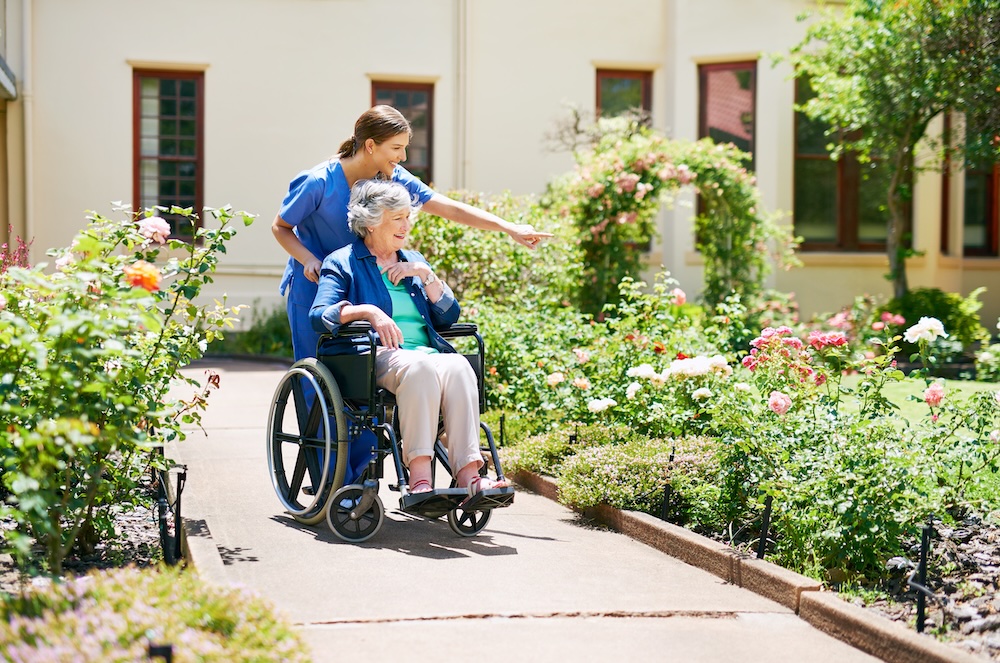
Many individuals and families reach out to me when navigating the complex journey of finding a room in a residential aged care home. Depending on an individual’s financial situation and health needs, this process can move quickly or become a lengthy, challenging ordeal.
Demand for residential aged care in Australia continues to outstrip supply, driven by a perfect storm of demographic and systemic factors.
People are living longer, often without local family networks to assist them, while many older adults live alone. At the same time, long waiting times for government home care support mean many seniors can no longer manage safely at home, creating a surge in demand for residential aged care.
In April 2026, Federal Health and Ageing Minister Mark Butler stated that Australia would need to open a new aged care home every three days for the next 20 years to cope with a massive surge in the ageing population. Data from the upcoming 2026 Census will offer a clearer picture of these shifting demographic trends and population pressures.
Managing an ageing population is a global hurdle, yet several countries are pioneering innovative models to meet the demand head-on.
Building a modern residential aged care facility requires a significant financial investment, potentially up to $100 million. It is encouraging to see new residential aged care developments underway locally, though high demand means these places will fill rapidly.
As with many aspects of life, financial resources dictate the breadth of available choices. In the Brisbane metro area, typical Refundable Accommodation Deposits (RADs) average around $750,000, reaching up to approximately $1.4 million at the luxury end of the market, with prices generally decreasing further out from the city.
Many older Australians own a home that can be sold to cover the RAD or possess other financial assets. However, a large percentage of older Australians have limited financial means. For the current generation entering care, superannuation was not the universal safety net it is today, and not everyone owns property or other realisable assets. Consequently, many of these individuals become long-stay hospital patients while waiting for an available concessional bed.
While Australia’s system is designed to provide government-funded support for those unable to pay a Refundable Accommodation Deposit (RAD), waitlists for supported places remain extensive, and places may not be in the person’s preferred geographic area.
Occasionally, older adults seek to enter residential care simply because they don’t want to live alone and their family home has become too large. However, entry into government-subsidised residential aged care is strictly needs-based.
To qualify, an individual must undergo an Aged Care Assessment Team (ACAT) assessment confirming a requirement for 24/7 care support.
Once approved, the person receives a permanent referral code, which residential aged care providers use to access relevant information and assess care suitability in consideration of their current resident mix, bed availability, and financial arrangements.
Selecting an aged care home is a monumental decision as it is, for most, choosing their final home.
Families and individuals must perform thorough due diligence to ensure a home is fully compliant and offers the right care and environment for the person who will live there. Because this transition is often emotionally taxing for everyone involved, seeking professional guidance and emotional support throughout the journey can make a profound difference.
This article by Julia McCarthy appeared in the August 2026 edition of Village Voice.